Battery Material Business

ECOPRO BM R&D

Introduction of Subsidiaries

R&D Areas

High-Ni cathode materials

Research Direction

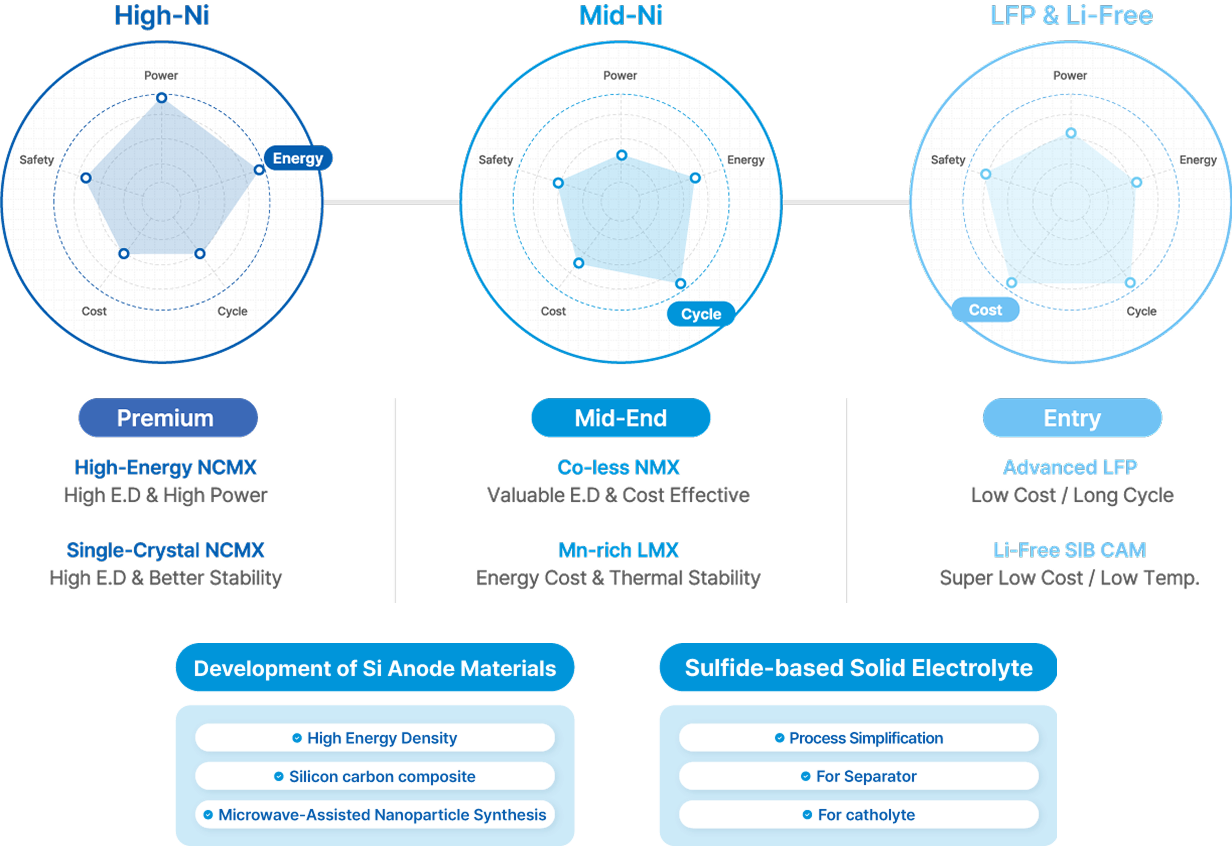
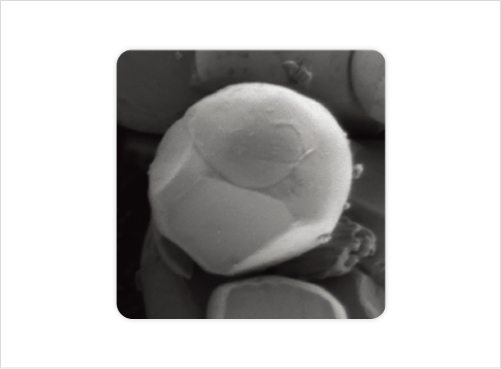
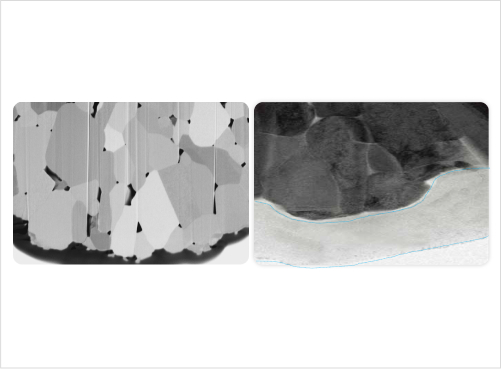
Ecopro BM is focusing on the development of high-Ni cathode materials based on innovative technology and independent manufacturing technology, and its main products are high-capacity and high-performance cathode materials with Ni content of over 90%. In order to overcome the degradation (cracks, gas, reduced lifespan, etc.) that occurs as the Ni content increases, we are maximizing material performance and improving stability through various research and experiments. As one of the solutions to the cause of degradation, we have succeeded in mass producing single crystal technology, which is a single particle rather than polycrystalline, for the first time in the world. Ecopro BM is doing its best to provide valuable products to customers through continuous research and innovation, and to realize customer satisfaction through customized product development.

Single Crystal
Coating / Doping technology
MMid Ni & LMR
cathode
materials

Research Direction

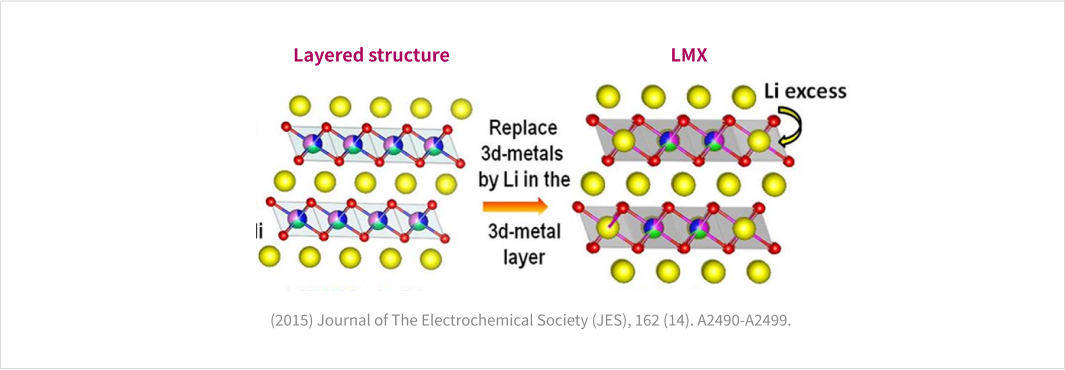
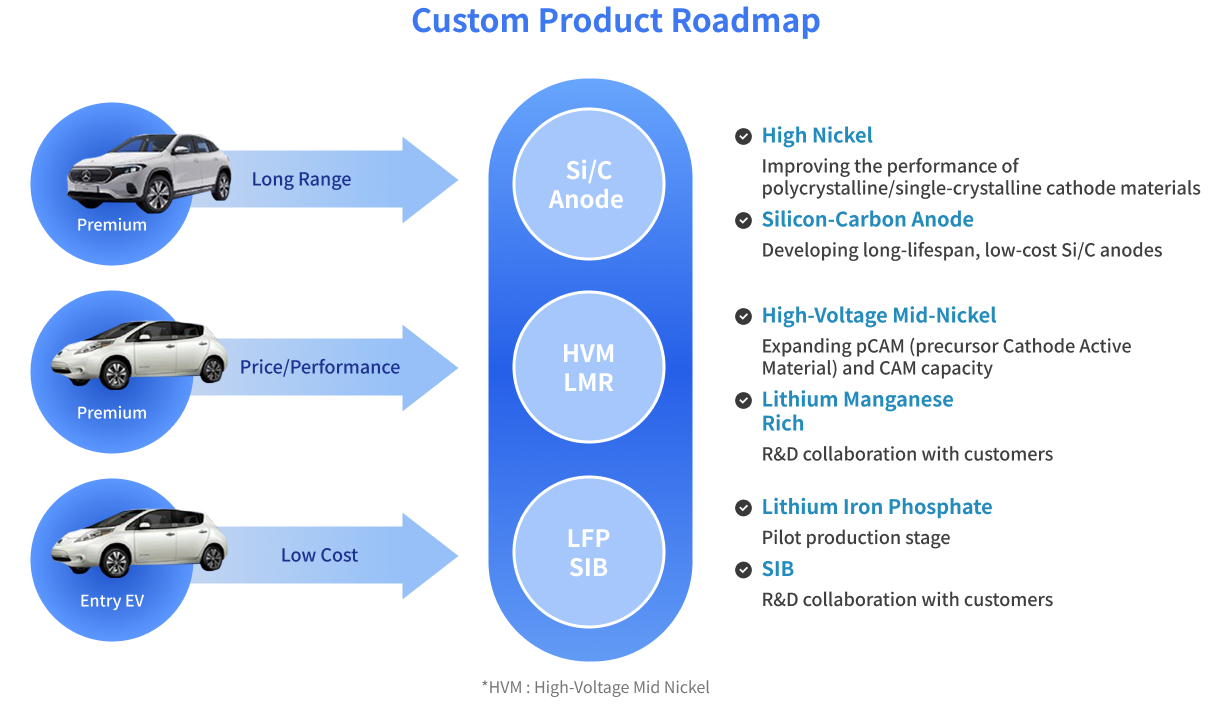
As short-distance and low-cost general-purpose EVs are required, the Mid-End cathode materials suitable for these are also one of Ecopro BM's research and development areas. As one them, Mid-Ni is being developed to satisfy both performance and price by reducing the proportion of expensive transition metals; in particular, a technological advantage has been secured by overcoming existing performance limitations through the development of High Voltage Mid-Ni (HVM), which is specialized for high voltage. Additionally, a Mn-rich LMX model with further reduced Ni content and increased Mn and Li content is under development. In particular, the LMX model has the advantages of both price and energy density as it can achieve high energy density of the High-Ni level by increasing the driving voltage.

LFP & Na-ion cathode materials

Research Direction

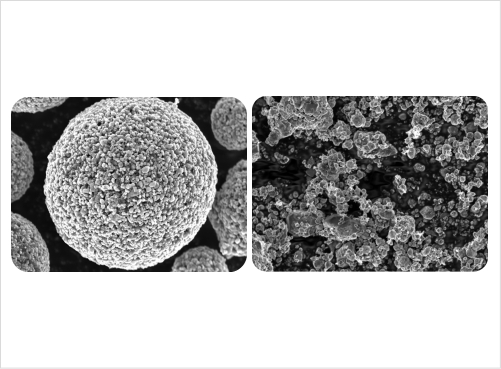
With the implementation of the U.S. Inflation Reduction Act (IRA) and the EU Critical Raw Materials Act (CRMA), the development of technology for internalizing LFP (lithium iron phosphate) has become essential for the development and competitiveness of the secondary battery industry in Korea. In order to develop LFP, which requires a completely different process and technology from existing ternary cathode materials, the ECOPRO BM is overcoming its limitations with a spirit of challenge and innovation through multinational business collaboration and benchmarking.

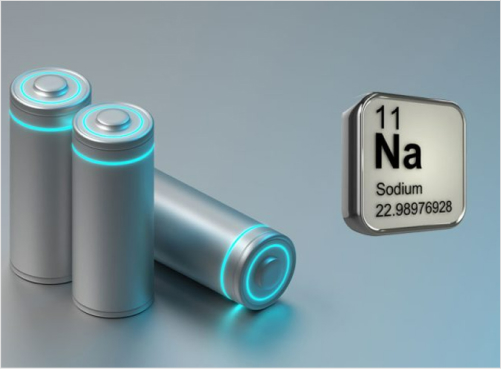
Sodium cathode materials targeting the low-cost EV and ESS markets are also being developed as next-generation materials with the greatest advantage of abundant resources. We are focusing on layered structure with high energy density and are conducting various R&D with the goal of mass production development in 2025.

LiFePO4 cathode material

Na-ion secondary battery material

Anode material & Solid electrolyte

Research Direction

EcoPro BM is also developing next-generation materials as part of its evolution into an integrated rechargeable battery materials company.
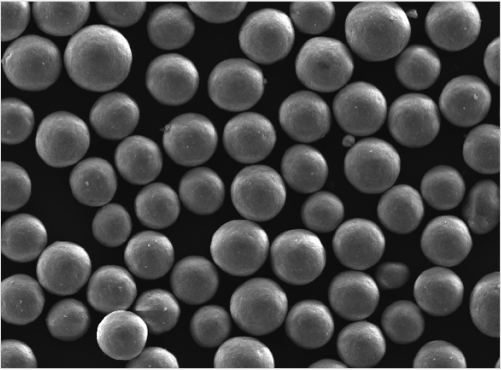
We are developing silicon anode materials, which are gaining attention as next‑generation anodes. By applying a silicon‑based carbon composite design, we stably control the volume expansion that inevitably occurs during charge and discharge. This enables the simultaneous realization of long cycle life and enhanced energy density.
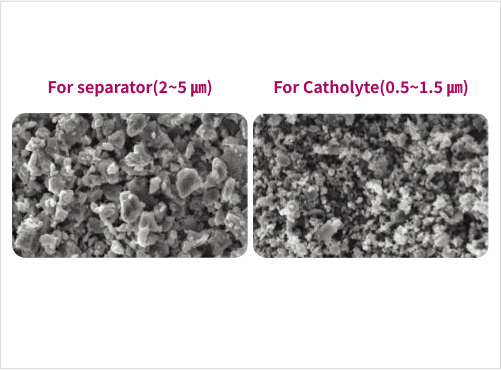
In response to growing market demand for enhanced cell safety driven by issues such as electric vehicle fire incidents, EcoPro BM is developing sulfide‑based solid‑state electrolytes together with cathode materials optimized for solid‑state battery applications.
For sulfide‑based solid electrolytes—which are challenged by complex process control requirements and high costs associated with moisture‑controlled environments—we have applied proprietary innovative processes to achieve excellent process stability and strong cost competitiveness.

Silicon-carbon composite anodes

Sulfide-based solid electrolyte